
Positioning
⊹
B2B Marketing
⊹
Strategy

Verena Ploberger
Head of Agency
Better to be relevant for a few than interchangeable for everyone.
If you try to do too many things at once in marketing, you quickly end up in mediocrity. And let's be honest: mediocrity has never excited anyone. Especially in the B2B sector, where complex products and long decision-making processes dominate, you need clarity instead of a generalist setup. Specialization means razor-sharp focus, helping you attract the exact customers who are a perfect fit. Why less is sometimes more and which methods pave the way to specialization? Let's dive in.
Spot on instead of random:
The path to specialization
Specialization in marketing is not a new trend, but a tried-and-true principle. Philip Kotler, one of the most famous marketing experts, put it in a nutshell:
"The key to success is not to be everything to everyone, but to be exactly the right thing for your target audience."
– Verena Ploberger
A look at the scientifically proven STP model (Segmentation, Targeting, Positioning) shows why specialization is so crucial in marketing. This model describes the three central steps that companies use to target their market strategy.
Segmentation means dividing the market into different customer groups with specific needs and characteristics. This is followed by Targeting, where you choose the most attractive target group from these segments – the one that best fits your brand, solutions, and business goals. The final step, Positioning, ensures that your company anchors a clear, highly differentiated benefit in the minds of your customers.
Particularly in the B2B sector, where products often require explanation and sales cycles are long, this targeted alignment is essential. Companies that focus their resources on a clearly defined target group can craft sharper marketing messages, deliver perfectly customized content, and establish themselves as the leading provider in their niche. On the other hand, trying to address everyone risks convincing no one in the end.

Segmentation

Targeting
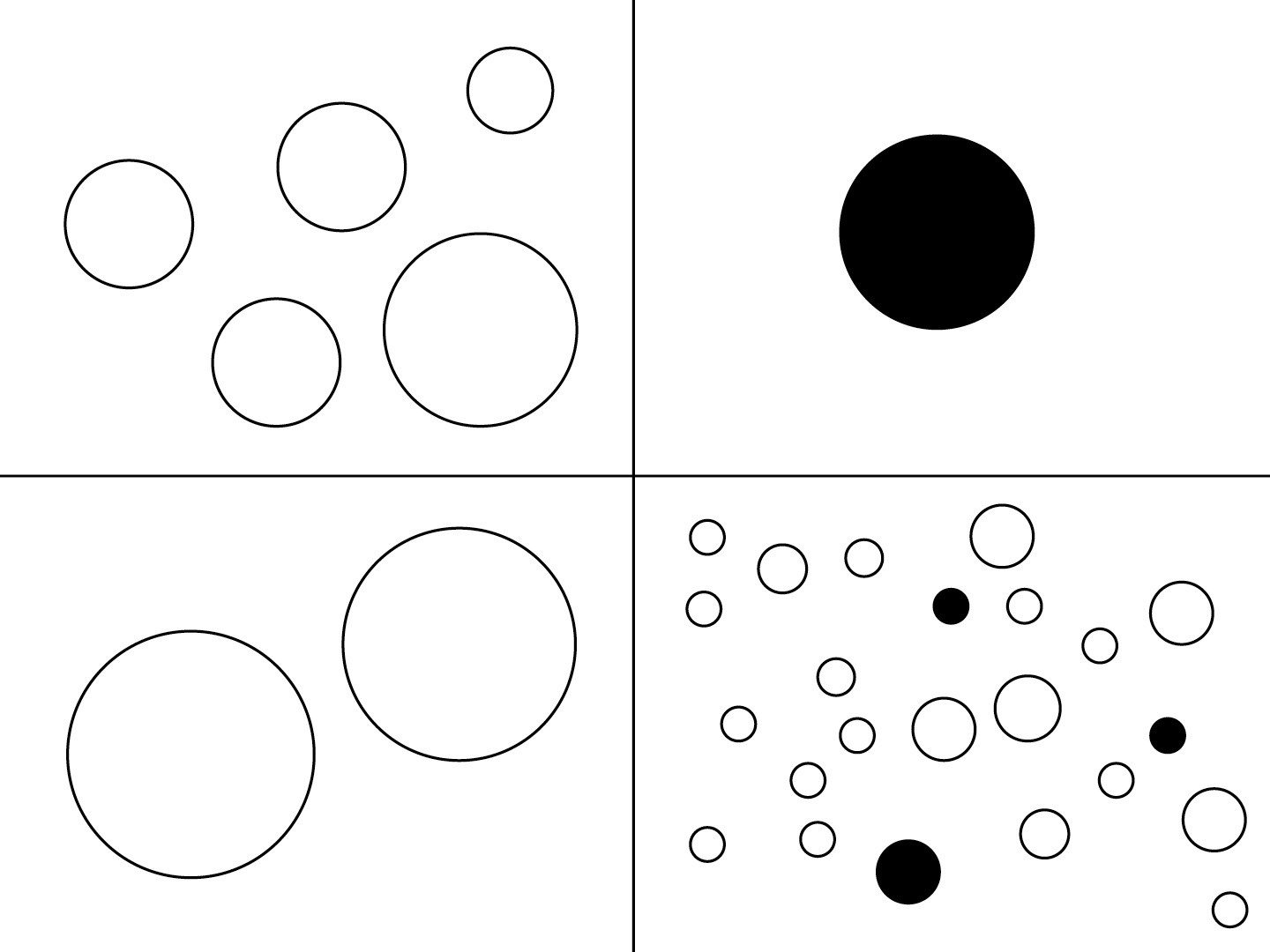
Positioning
Why precision wins:
The competitive edge
Specialization in the B2B space is not just a strategic advantage, but often a basic requirement for long-term success. While consumer brands can operate with a broad target audience, B2B companies are usually focused on specific niches and complex supply chains. But why is this so crucial? Economic theories show us that specialization is far more than just a marketing strategy – it is the foundation for a sustainable competitive advantage.
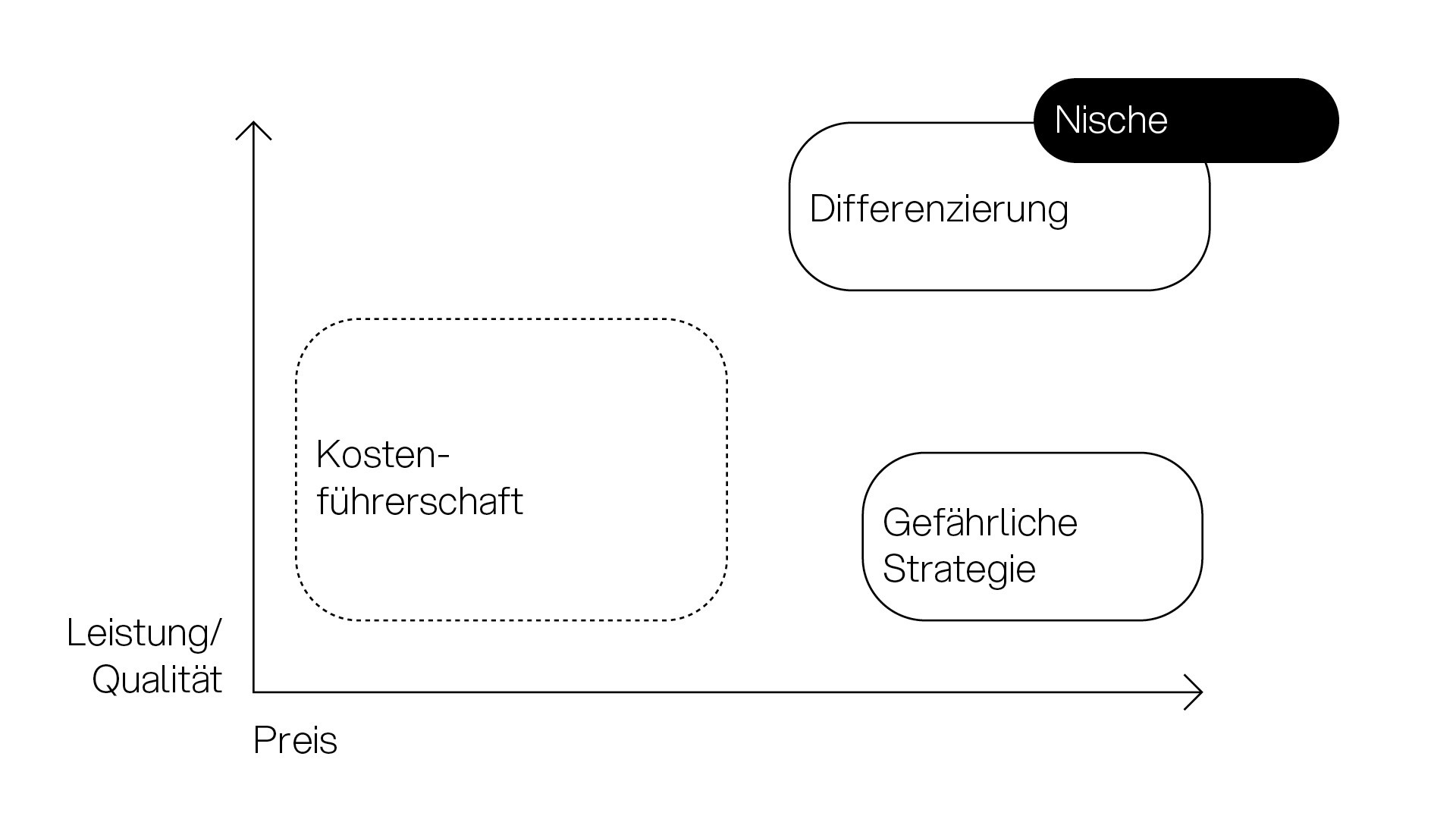
Economist Michael Porter shaped our understanding of strategic differentiation with his Competitive Advantage Theory. According to Porter, businesses can secure long-term success in only two ways: cost leadership or differentiation. While cost leadership aims to be the cheapest provider through economies of scale and efficient processes, differentiation is the ultimate sweet spot. It is all about standing out from the competition through unique features – such as specialized services, deep expertise, or technological excellence. Focusing on a clearly defined niche not only helps you offer more relevant solutions but also allows you to command higher prices as your perceived value increases.

Another crucial concept is the Knowledge-Based View (KBV), a business perspective that regards knowledge as a company's most important strategic resource. Especially in the B2B sector, where decision-making processes are heavily driven by technical specifications, deep domain expertise is a vital success factor. Based on the KBV, companies are much more competitive when they build, preserve, and strategically deploy specialized knowledge. A company that deepens its know-how in a specific industry not only boosts its credibility but also becomes the preferred partner. Industrial clients do not want generic advertising; they expect technically sound content that addresses their specific challenges.
In short: Specialization in industrial marketing is not a trend, but a proven strategy for success. Position yourself as an expert, and you will secure higher market shares and build long-term trust – and that is what makes all the difference.
_higher credibility
Specialization builds trust because expert knowledge is measurable.
_more effective customer retention
B2B decision-making processes are long-term – being highly specialized keeps you in the conversation.
_more innovation
Deep market insight allows you to develop new, targeted solutions.
Not everything for everyone:
our path to specialization
Over 50 years of experience – that is a lot of time to get to know markets, trends, and customer needs. But experience alone is not enough in a fast-moving world. That is why we asked ourselves a vital question over the past few months: Who do we really want to work with?
Segmentation:
Who actually fits us?
The first step was an honest assessment. We analyzed our current client base and quickly realized that technical businesses are our sweet spot. Whether engineering, automation, or industrial goods – this is exactly where we feel right at home.
Why? Because our team is not only creative but also brings a solid understanding of tech. Complex products do not scare us – on the contrary, they get us excited.
Targeting:
Focus instead of a generalist setup.
But just a soft spot for technology is not enough. We wanted to know: Where is our competitive advantage? The answer was clear. Many agencies avoid industrial companies because the products are complex and demand deep technical understanding.
For us, that is a superpower. We understand tech – and we know how to communicate it beautifully. That is why we decided to focus entirely on B2B companies.
Positioning:
Our promise.
With this clarity, our positioning was obvious. We are not an agency for everyone. We are the specialized agency for technical B2B communication. Our promise? We make technical brands attractive and their marketing efficient.
Specialization is not a risk – it is the key to greater relevance, quality, and success.
Embrace not being for everyone, and you will become incredibly valuable to the right customers.
Share This Article


